General Liability Insurance for Columbus Area Businesses
Most personal auto policies stop covering you the moment your vehicle becomes a work tool. If you're a contractor hauling materials to a job site, a service business whose employees drive to client locations, or a company with a fleet of vehicles on the road, a personal policy almost certainly won't pay when it matters most. Commercial auto insurance covers the vehicles your business depends on — and the liability your business carries when those vehicles are involved in an accident.
Your Personal Auto Policy Probably Doesn't Cover Work Use
If you're using your personal truck to haul tools, transport equipment, or drive to job sites, your personal auto insurer may deny a claim that happens during that work use. This isn't a technicality buried in fine print — it's a standard exclusion in most personal auto policies. Carriers draw a hard line between personal use and commercial use, and if your vehicle crosses that line regularly, you're exposed every time you pull out of the driveway.
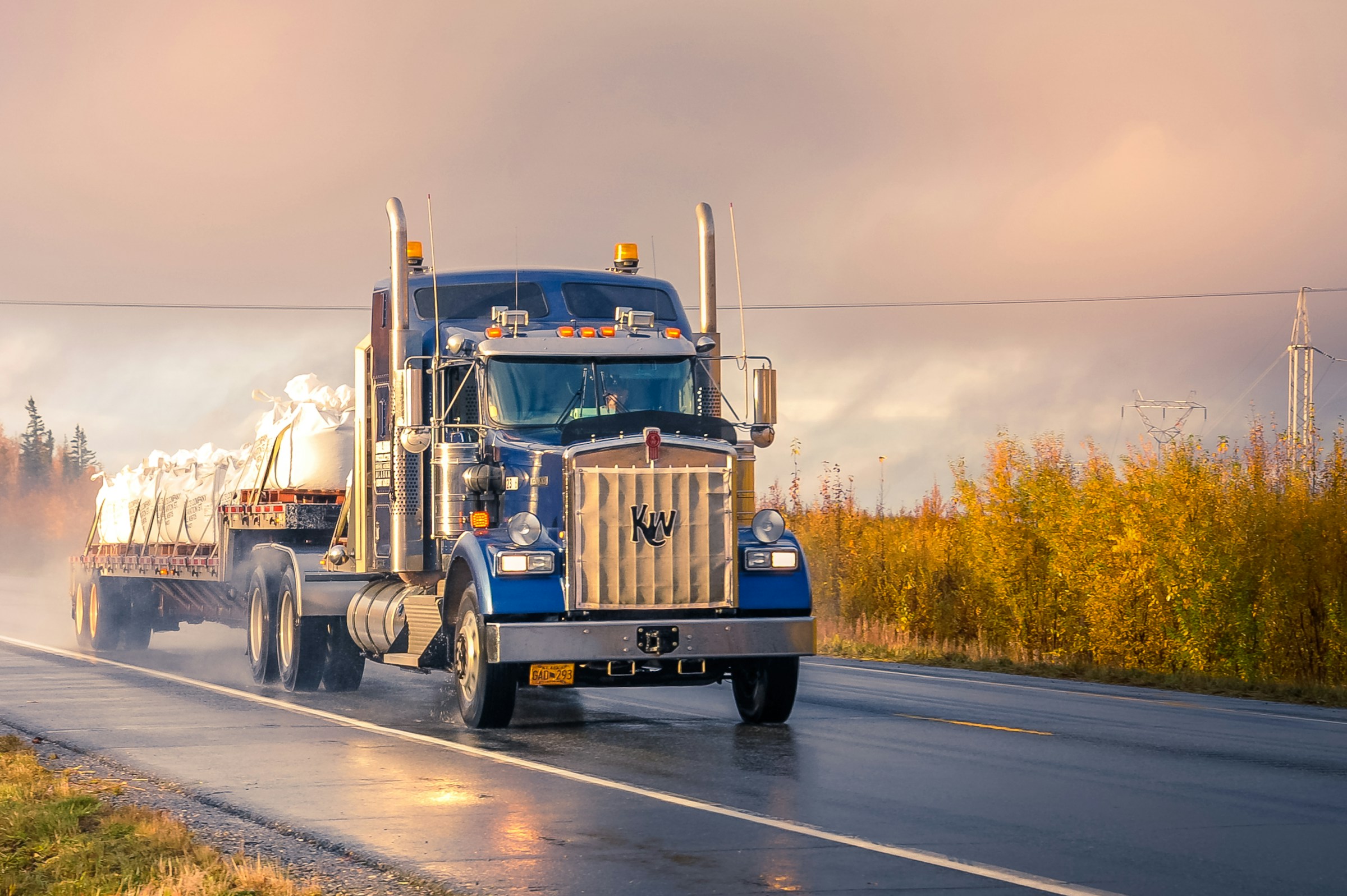
One denied claim is enough to understand why the distinction matters. A contractor driving a work truck through Columbus on I-71 or the I-270 outer belt faces real commercial exposure on every trip. Commercial auto insurance closes that gap so a single at-fault accident doesn't become a business-ending event.
What Commercial Auto Insurance Actually Covers
A commercial auto policy is built around how your business uses its vehicles — not how a personal policy assumes you use them. Coverage typically includes:
- Liability coverage for bodily injury and property damage your vehicles cause to others
- Collision coverage for damage to your own business vehicles
- Comprehensive coverage for theft, weather, and non-collision losses
- Uninsured and underinsured motorist coverage
- Medical payments coverage for drivers and passengers
- Hired and non-owned auto coverage for employees using personal vehicles on company business
That last item is one of the most commonly overlooked gaps for service businesses. If an employee runs an errand in their own car on company time and causes an accident, your business can still be named in the lawsuit. Hired and non-owned auto coverage addresses exactly that exposure.
When Your Employee's Accident Becomes Your Business's Problem
The moment a company vehicle is involved in an at-fault accident, the injured party's attorney isn't just looking at the driver — they're looking at the business behind the driver. Commercial auto insurance covers the liability your business carries when an employee causes an accident in a company-owned or company-operated vehicle. Without it, your business assets are exposed directly.
This is especially important for contractors and trade businesses where employees are regularly driving to and from job sites, hauling equipment, or operating vehicles as a core part of the work. The right commercial auto program protects the business entity, not just the vehicle.
Commercial Insurance Services
Fleet Coverage Built Around How Your Business Actually Operates
No two businesses use their vehicles the same way. A pest control company running a dozen service vans through Westerville and Grove City has different exposure than a solo contractor with one work truck making runs between Dublin and downtown Columbus. We review your vehicle use, driver profiles, and the type of work your fleet supports before we quote — not after a claim comes in.
Whether you're running a single commercial vehicle or managing a fleet, we build a commercial auto program that reflects your actual operation. That includes coordinating with your general liability coverage and contractor bonds where your work requires it.
Columbus Roads Put Real Pressure on Commercial Vehicles
Commercial vehicles in the Columbus metro log serious miles. The I-270 outer belt, I-71, I-670, and SR-315 corridors carry some of the highest commercial traffic volume in Ohio — and that volume means more exposure, more congestion, and more opportunity for an accident to become a liability event. Businesses operating in Dublin, Hilliard, Upper Arlington, Worthington, and surrounding Franklin County communities are on these roads daily.
Ohio's commercial auto liability minimums are also structured differently than personal auto minimums, and the right coverage levels for your business depend on vehicle type, payload, and how your fleet is used. Rather than publish figures that change with regulation, we'd rather walk through your specific situation and make sure your limits reflect your actual risk.
Commercial Auto Insurance — Common Questions
Does my personal auto insurance cover my work truck?
In most cases, no. Personal auto policies typically exclude coverage when a vehicle is used for business purposes — transporting tools, materials, or equipment to job sites is the most common example. If you're involved in an at-fault accident during commercial use, your personal carrier may deny the claim entirely. A commercial auto policy is designed to cover exactly that use.What is hired and non-owned auto coverage?
Hired and non-owned auto coverage protects your business when employees use their personal vehicles for work purposes — making deliveries, running errands, or driving to client locations on company time. If an employee causes an accident while on company business in their own car, your business can still face liability. This coverage closes that gap and is typically added as an endorsement to a commercial auto or general liability policy.How is commercial auto insurance different from personal auto insurance?
Commercial auto policies are underwritten based on business use — vehicle type, payload, driver profiles, and the nature of the work being done. They carry higher liability limits, cover business entities rather than individuals, and are structured to respond to the kinds of accidents that happen in a commercial context. Personal auto policies are not built for that exposure and will often exclude it.Do I need commercial auto insurance if I only have one vehicle?
If that vehicle is used for business purposes — even part of the time — yes. The number of vehicles doesn't determine whether you need commercial coverage; the use does. A single work truck used to haul tools or visit job sites carries commercial exposure on every trip, regardless of whether it's also used personally.How much does commercial auto insurance cost for a Columbus business?
It depends on your fleet size, vehicle types, driver history, coverage limits, and how your vehicles are used. There's no accurate number we can give without reviewing your actual operation. The best way to get a realistic figure is to call or text us directly — we'll ask the right questions and get you a quote that reflects your business, not a generic estimate.